

The Art of Doing Nothing: Why Boredom Sparks the Best Creativity in Kids
“Mom, I’m bored.”
A phrase that makes many parents reach for a screen, an activity, or a quick distraction.
But what if boredom isn’t the problem?
What if… it’s the starting point?
In today’s hyper-stimulated world, children are rarely left alone with their thoughts. Every moment is filled — with apps, notifications, schoolwork, and scheduled activities. But here’s the surprising truth:
Boredom is essential for creativity.
Boredom is where the magic begins.
🧠 What Happens When Kids Get Bored?
When a child says they’re bored, what they’re really facing is an empty mental space. No noise. No instructions. No stimulation.
At first, that feels uncomfortable.
But soon after… curiosity kicks in.
They look around. Think. Imagine.
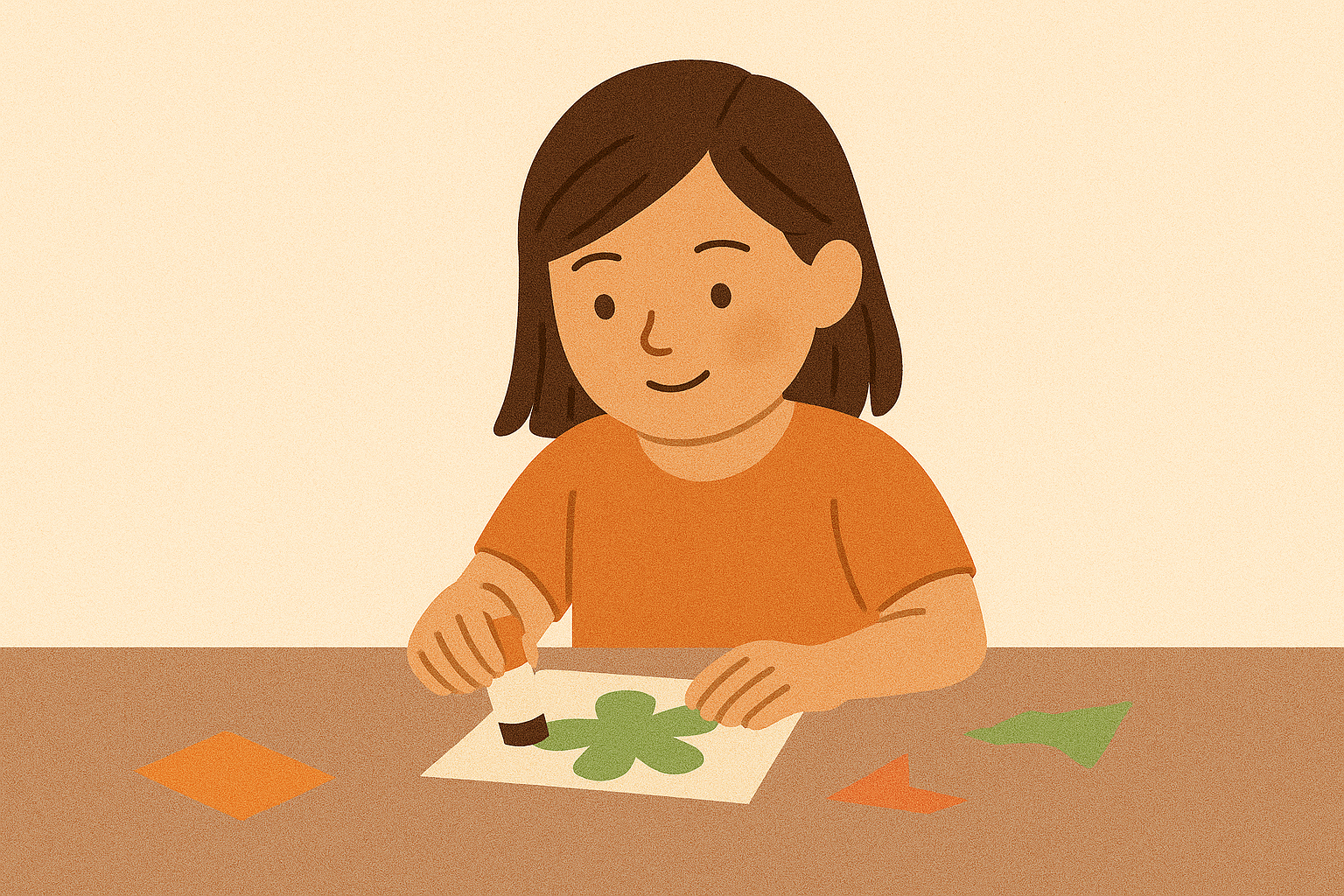
They start to create — ideas, games, drawings, stories, or questions.
Boredom pushes the brain to explore its own ideas — and that’s the foundation of creativity.
✨ Why “Doing Nothing” is Actually Doing Everything
Let’s break down how boredom helps kids grow:
1. Boosts Imagination
Without entertainment provided, kids tap into their inner world. That’s when pretend play, storytelling, and “out of nowhere” ideas start to appear.
2. Develops Problem-Solving
Boredom forces kids to ask, “What can I do with what I have?”
This activates creativity, resourcefulness, and critical thinking — lifelong skills that start with a little silence.
3. Encourages Independence
When adults don’t rush in with a solution, kids learn to entertain themselves.
This builds self-reliance and reduces dependency on constant stimulation.
4. Regulates Emotions
Unstructured time teaches children how to sit with their feelings, navigate restlessness, and come out calmer and more centered.
5. Inspires Originality
Without templates, tutorials, or trends to follow, kids start building from scratch — and that’s when their true creativity emerges.
🕊️ But Won’t They Waste Time?
Not at all. “Wasted time” is often where the brain resets, refuels, and regenerates ideas.
In fact, studies show that mind-wandering boosts divergent thinking — the kind of thinking that leads to innovation, art, and entrepreneurship.
So when a child has “nothing to do,” what they’re actually doing is building the muscles of imagination, resilience, and originality.
🛋️ How to Embrace Boredom (Without Panic)
Here are simple ways to make space for “nothing” in your child’s day:
-
📵 Reduce passive entertainment (e.g., scheduled screen breaks)
-
🧺 Create an open-ended space with simple materials — but no instructions
-
🚪 Let them be alone sometimes — solitude encourages internal thinking
-
🗣️ Avoid rushing to fill every moment — let them sit in the quiet
-
🌱 Trust the process — creativity doesn’t always look productive right away
🧡 Final Thought: Give Them the Gift of Blank Space
In a world that values “more,” there’s quiet power in less.
Less noise. Less input. Less control.
More wonder. More discovery. More creativity.
Boredom is not a gap to be feared — it’s a portal to your child’s imagination.
So the next time your child says, “There’s nothing to do,” smile and say:
“Perfect. Let’s see what you come up with.”
That’s the art of doing nothing. And it might just be the best gift you can give.