

🎨 The Art of Independent Thinking: Why DIY Time Builds Self-Learners
In a world of constant instruction and schedules, there’s one space where kids are free to lead:
the world of DIY.
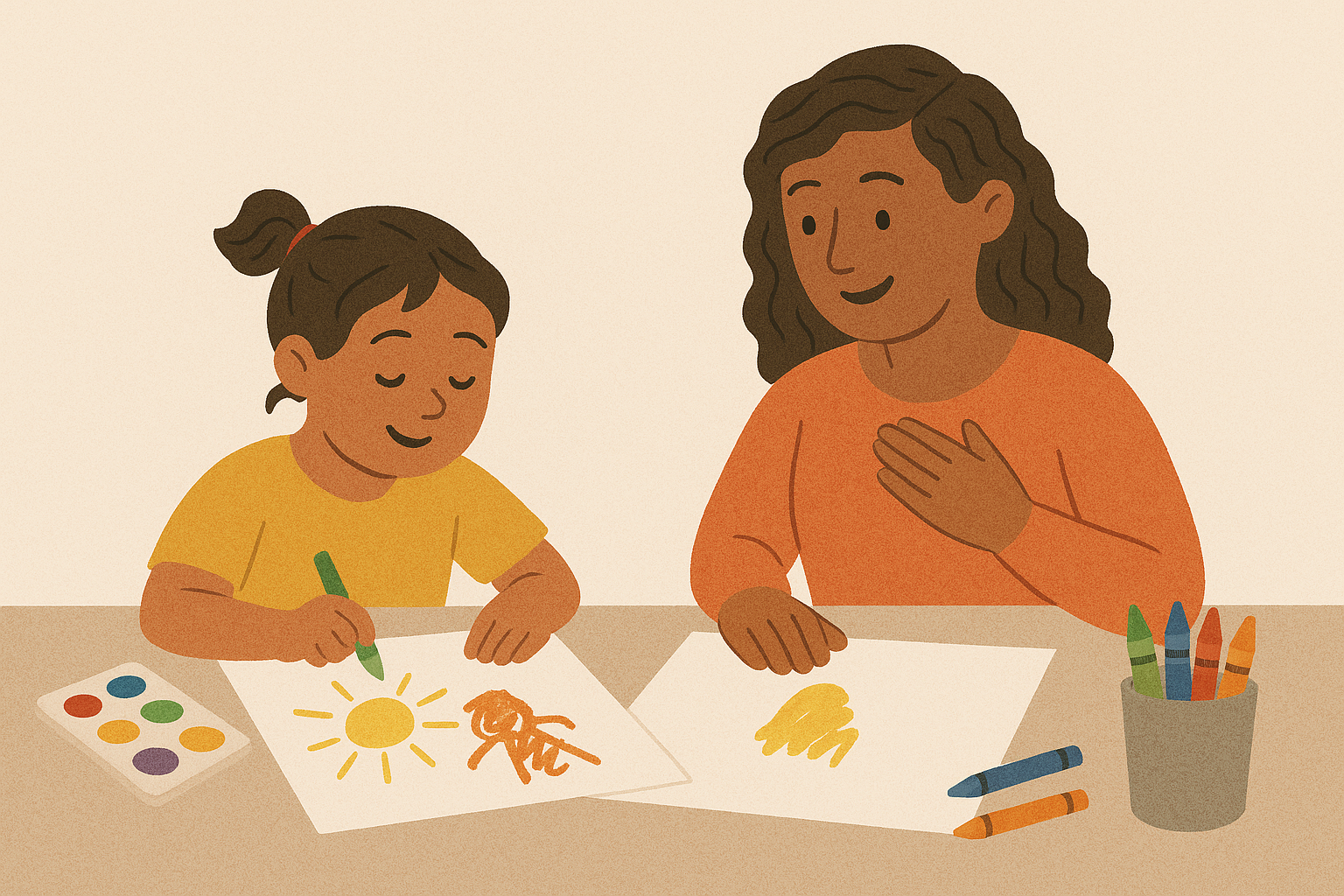
When children create something from scratch—whether it’s a collage, a card, or a castle out of cardboard—they’re not just crafting...
They’re thinking independently.
And in that moment, something powerful is happening:
They’re becoming self-learners.
🧠 What Is a Self-Learner?
A self-learner is a child who doesn’t wait to be told what to do.
They:
-
Ask questions
-
Try things on their own
-
Problem-solve independently
-
Reflect on what worked and what didn’t
-
Keep going even when it’s tricky
And surprisingly?
This all happens during creative play.
✂️ How DIY Builds Self-Learning Muscles
Here’s how a simple craft session trains deep life skills:
| DIY Moment | Learning Skill Developed |
|---|---|
| Choosing materials | Decision-making & autonomy |
| Figuring out what to make | Goal-setting & ideation |
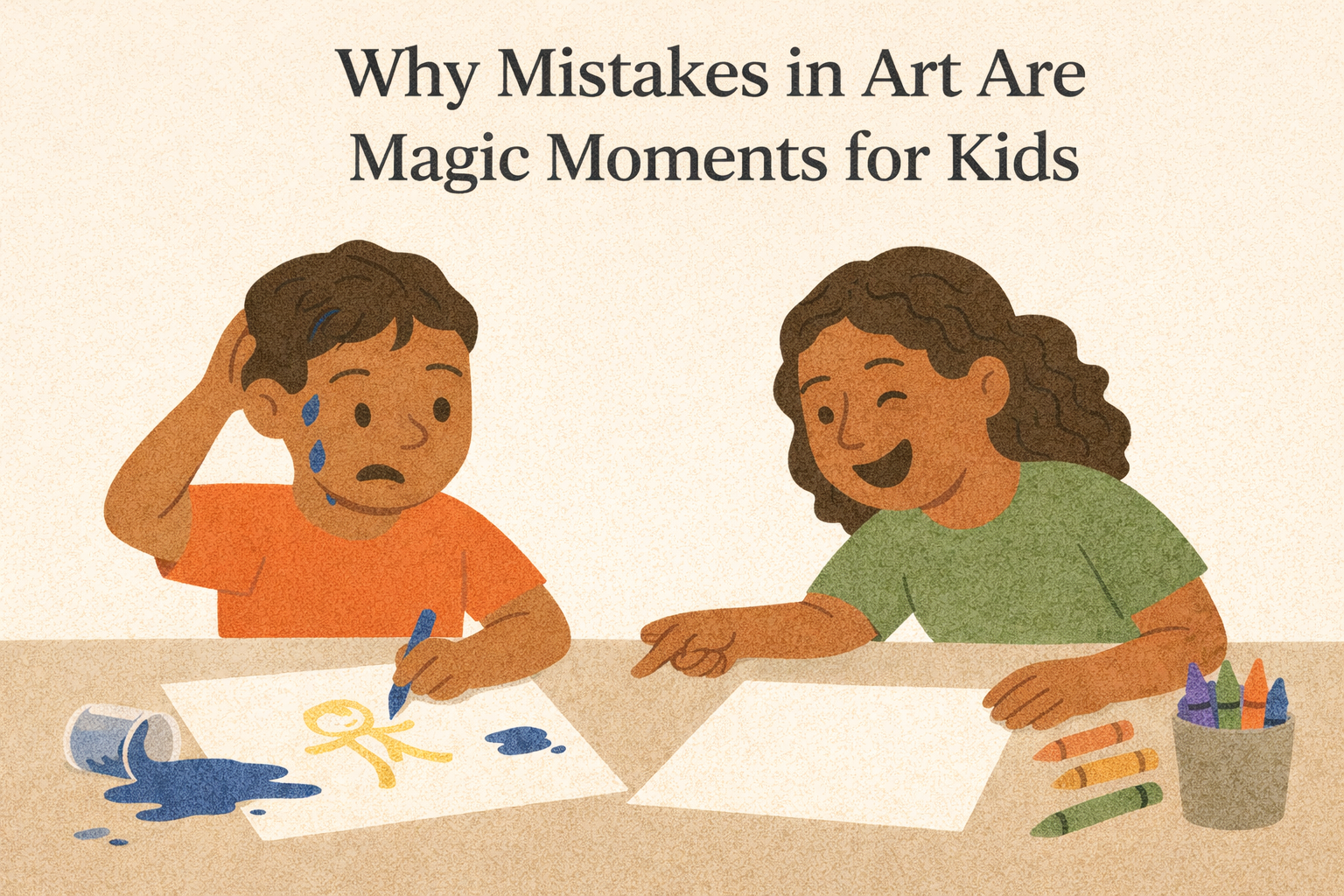
| Making mistakes & fixing them | Problem-solving & resilience |
| Completing a project | Self-motivation & satisfaction |
Each step is like a mini class in independent learning—without needing a single lecture.
📦 Why Unstructured Play Matters
Children today are often caught in a loop of:
-
“Do this.”
-
“Color within the lines.”
-
“Follow the steps exactly.”
While guidance has its place, unstructured DIY time flips the script.
It tells kids:
“You decide.”
“You try.”
“You learn from what happens.”
This autonomy grows their confidence and critical thinking—skills they’ll carry into school, relationships, and the real world.
🌱 Self-Learning Builds Lifelong Curiosity
When kids realize they can:
✅ Imagine something
✅ Try it out
✅ Adjust on the fly
✅ Complete it with pride...
They learn to trust their own process.
This is how self-motivated learners are born.
They won’t need to be pushed—they’ll be pulled by curiosity and creativity.
🧩 How Parents Can Support (Without Taking Over)
Want to encourage more independent learning?
Here’s what helps:
-
👐 Create the space, not the solution
Set up craft time without telling them what to make. -
💬 Ask open-ended questions
Try: “What’s your plan?” or “What’s the story behind this?” -
🎉 Celebrate the process
Focus on the journey, not the perfection of the result. -
🤫 Let boredom happen
Sometimes, the best ideas come from quiet, unstructured moments.
✨ Final Thought: Messy Hands, Mighty Minds
When kids lead their own creative projects, they’re doing more than making art.
They’re learning to:
-
Trust themselves
-
Think critically
-
Embrace mistakes
-
Solve their own problems
And that’s the heart of self-learning.
So next time you see a child lost in a world of glue, paper, and ideas—
Know this:
They’re not just crafting.
They’re building the brain of a curious, capable, and confident self-learner.