

Tiny Hands, Big Ideas: How Crafting Boosts Early Brain Development
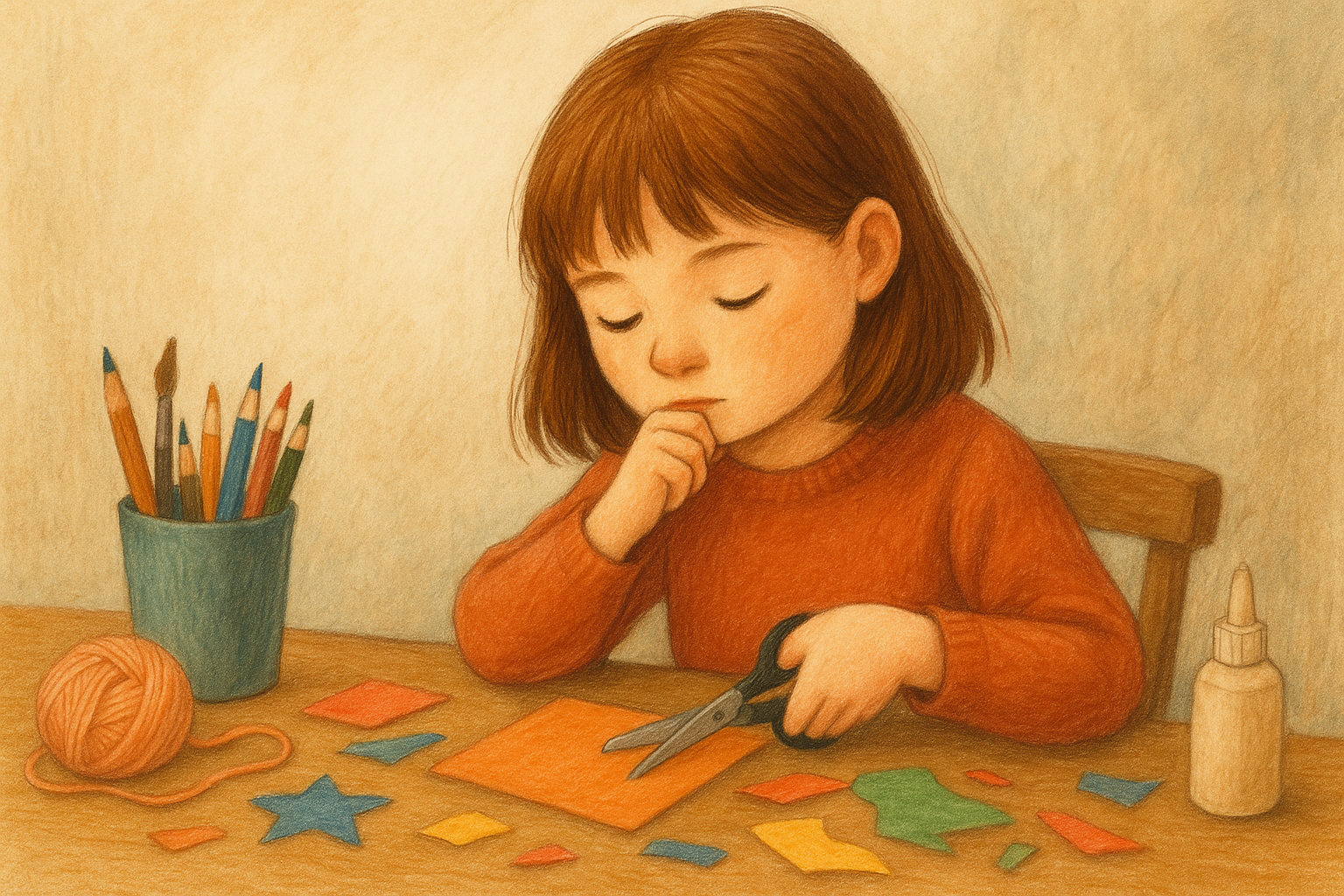
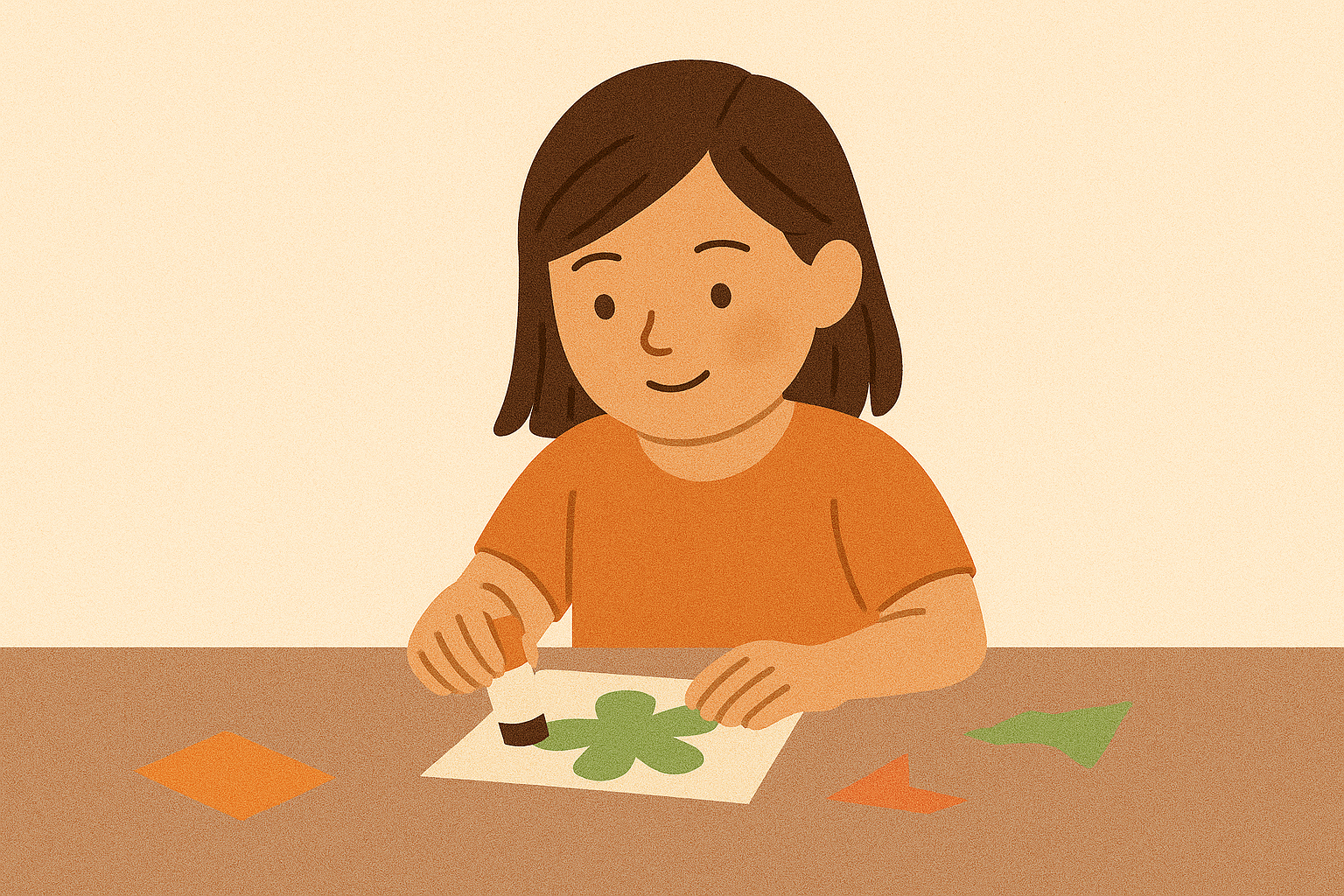
To an adult, it might just look like a mess of paper, colors, and glue.
But for a young child, that little project is a neural playground.
Every scribble, snip, and sticker placement isn’t just play — it’s the brain building connections, solving problems, and expressing ideas in real time.
In fact, crafting is one of the most powerful, hands-on ways to fuel early childhood brain development.
🧠 The Science Behind the Scribbles
Between the ages of 2 and 7, a child’s brain develops at lightning speed.
During this window, experiences literally shape the way neurons connect and communicate.
That’s why early engagement matters so much — especially when it involves the hands, the senses, and the imagination.
Crafting checks every one of those boxes — in a joyful, accessible way.
✋ Hand Movement = Brain Movement
You’ve heard the phrase “fine motor skills,” but did you know that every time a child:
-
Cuts with scissors
-
Holds a crayon
-
Peels a sticker
-
Folds paper
...they’re strengthening not just their muscles, but also the parts of the brain responsible for:
-
Focus
-
Memory
-
Language
-
Coordination
-
Self-regulation
That’s right — tiny hands in motion mean big learning in progress.
🧩 How Crafting Supports Key Areas of Brain Development
1. Cognitive Growth
Crafting involves decision-making, planning, sequencing, and visual-spatial awareness — all vital for math, reading, and logical reasoning later on.
2. Sensory Integration
Children engage multiple senses at once: touch, sight, movement, and sometimes sound. This multisensory experience helps the brain process information more efficiently.
3. Emotional Regulation
DIY time allows children to slow down, focus, and enter a calm, present state. This nurtures emotional control and builds resilience.
4. Language Development
As kids talk about what they’re making, they expand vocabulary, storytelling skills, and verbal confidence — often without even realizing it.
5. Creative Thinking
With no single “right answer,” crafting encourages original thinking, curiosity, and self-expression — cornerstones of innovation and problem-solving.
👶 Why It’s Perfect for Early Learners
Crafting doesn’t require reading or math. It meets children where they are — allowing them to explore, try, and learn through doing.
It also:
-
Builds hand strength needed for writing
-
Encourages independence and task completion
-
Makes learning feel like play (which is how all learning should begin!)
🛋️ How to Encourage Brain-Boosting Crafting at Home
-
🎨 Set up a low-table craft area that’s easy to access
-
✂️ Use safe, age-appropriate materials (with supervision)
-
🎵 Play soft music to create a calm creative space
-
🧺 Focus on the process, not the product
-
📣 Celebrate every little effort: “Wow, look at what you made!”
🧡 Final Thought: The Brain Grows When the Hands Create
As a parent, you don’t need to be a teacher or an artist to help your child grow smarter.
All you need is a few minutes of presence… a little creative space… and the willingness to say:
“Let’s make something together.”
Because when your child crafts with their hands, they’re not just making something cute —
they’re building neural pathways, emotional confidence, and a love for learning that lasts a lifetime.