

Why Creative Failure is Good for Kids (And How DIY Builds Resilience)
We live in a world that celebrates winning — first place, perfect grades, flawless photos.
But what about the crumpled paper?
The glue that didn’t stick?
The idea that looked better in their head than on the page?
For kids, these “failures” are often quietly pushed aside. But what if we told you — they’re actually the most important moments in childhood?
Creative failure is where resilience is born.
And hands-on DIY time is the perfect training ground.
💡 Failure Isn’t the End — It’s the Beginning of Learning
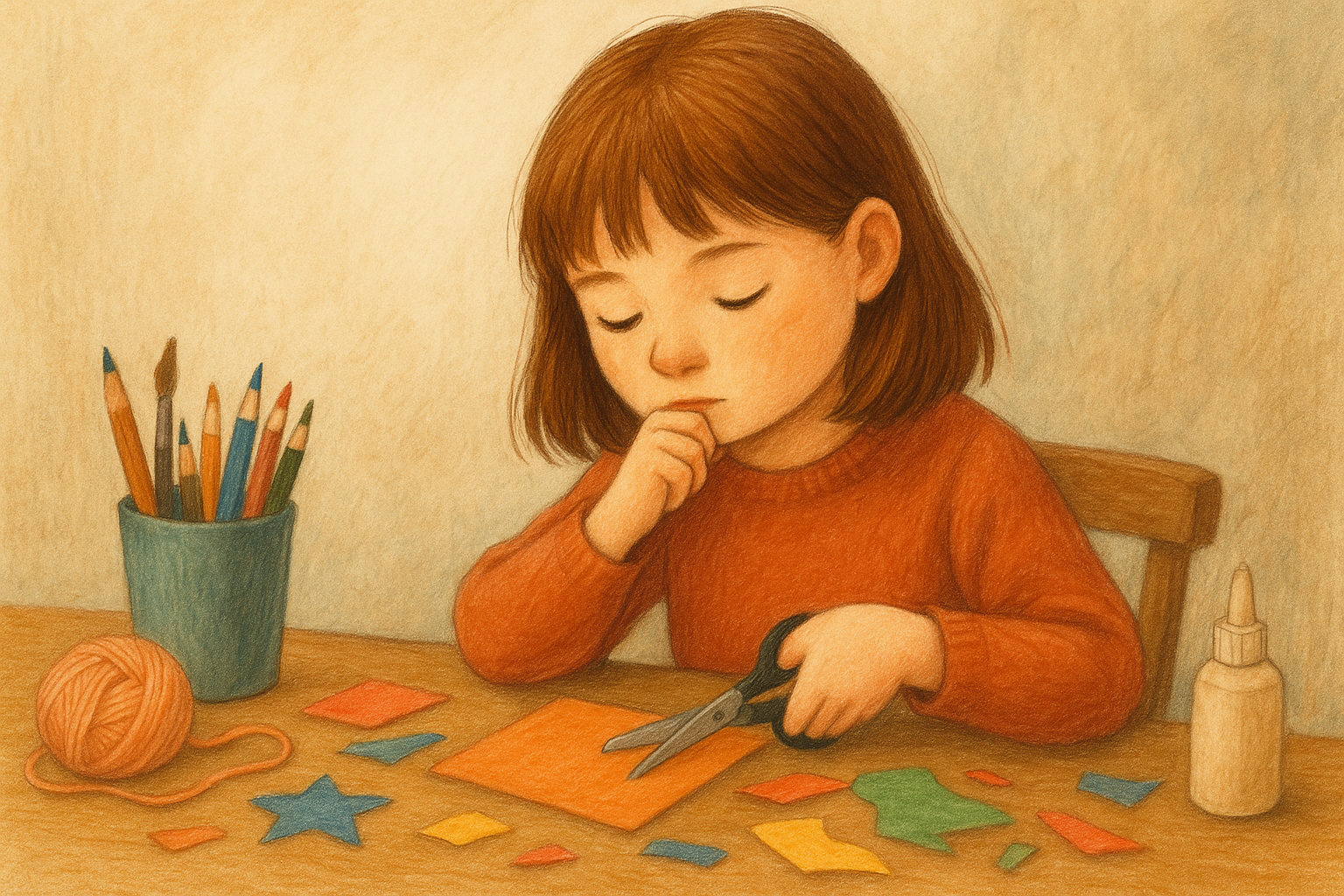
When a child starts a creative project, they often have a clear vision.
But then… things go differently:
-
The color bleeds outside the line
-
The paper rips
-
The structure falls over
-
It doesn’t look like what they imagined
This is where the magic happens — if we let it.
Instead of stepping in to fix it, we allow them to feel it… and try again.
This simple act — of trying again — is how resilience takes root.
🧠 Why DIY Activities Naturally Build Grit
Crafting is low-stakes, but full of real-life emotional lessons:
-
🎯 Frustration tolerance — “It didn’t work, but I’m not giving up.”
-
🔁 Flexibility — “Maybe I can do it a different way.”
-
🧩 Problem-solving — “What do I need to change?”
-
💬 Self-talk — “It’s okay to make mistakes. I’ll try again.”
-
📈 Growth mindset — “I’m learning, not failing.”
And all this happens while your child is playing, creating, and exploring — not even realizing they’re developing emotional strength.
🎨 When Kids Craft, They Learn to Embrace the Mess
There is no “undo” button in DIY.
No edit. No filter.
Just raw, real, beautiful trial and error.
And that’s what makes it so powerful.
By allowing mistakes to happen in a safe space, kids stop fearing them in other areas of life — like school, friendships, or new challenges.
💬 What Parents Can Say During Creative Failure Moments
Instead of:
“Let me fix that for you.”
Try:
“I see that didn’t work — what do you want to try next?”
Or:
“Even artists make mistakes. What can you learn from this one?”
These small language shifts teach your child that they are capable — not just of creating, but of recovering.
🧩 Why Resilience Matters More Than Perfection
In the long run, kids who learn to handle small disappointments during play:
-
Cope better with academic stress
-
Communicate more openly about mistakes
-
Try new things without fear
-
Bounce back faster after setbacks
-
Believe in their ability to improve over time
They become stronger, not safer — and that’s what the world truly needs.
🧡 Final Thought: Let Them Fail (Lovingly)
As a parent, it’s tempting to smooth the path — to step in, fix the folds, align the lines, make it “just right.”
But when we do that, we unintentionally take away the lesson they’re meant to learn.
So next time your child’s craft doesn’t turn out the way they planned, don’t rescue them.
Sit beside them. Smile. Say:
“You’re doing something brave by not giving up.”
Because the goal isn’t a perfect craft.
The goal is a child who believes:
“Even when things go wrong, I can still try again.”
And that’s a masterpiece in the making.