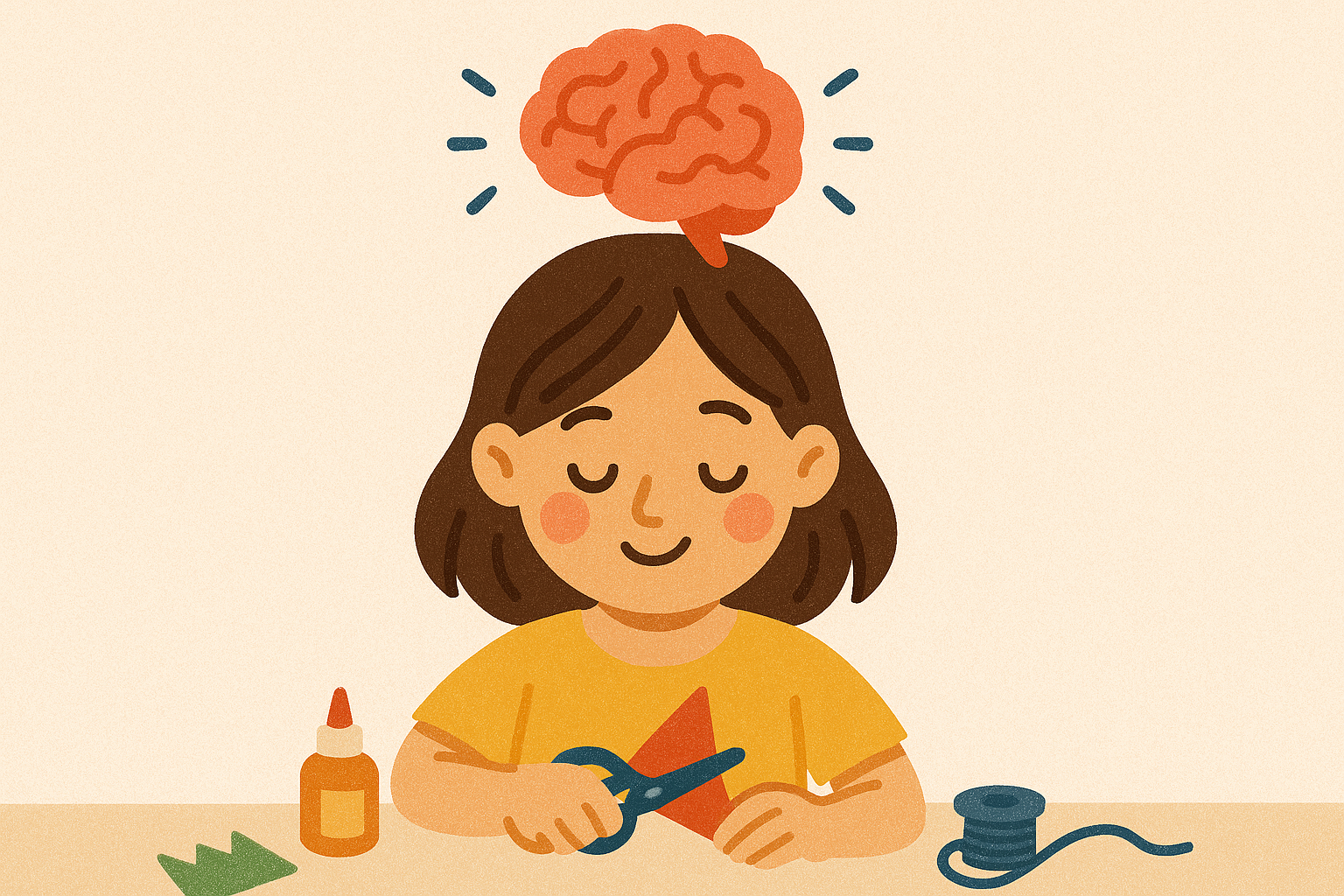


Routines That Breathe: Why Children Need Creative Gaps in Their Day
We want the best for our kids — better grades, balanced meals, fun classes, and meaningful screen-free time.
So we plan. We schedule. We fill their days with activities designed to shape a successful future.
But in our well-meaning pursuit of "productive childhoods," we often forget one crucial ingredient:
Breathing room.
Space for nothing.
Time that isn’t measured or managed — just felt.
And within that space?
Creativity blooms.
🎨 The Problem with Nonstop Structure
Modern parenting often mirrors a race — school drop-offs, tutoring, dance, sports, homework, bedtime.
Every hour accounted for. Every minute maximized.
But children aren’t mini-adults.
They process the world slowly, through play, repetition, and imagination.
When every moment is filled, their brains don’t get the time to:
-
Reflect on what they just learned
-
Explore new thoughts
-
Follow curiosity down messy, beautiful rabbit holes
Creativity thrives in the gaps.
Without downtime, kids miss out on the chance to invent, daydream, and create freely.
🧠 Why Creative Pauses Matter for Brain Growth
When kids engage in open-ended creative activities — even for just 20 minutes — it lights up parts of the brain that structured tasks don’t.
These gaps help build:
-
💡 Problem-solving abilities (How can I make this work?)
-
✨ Imagination and storytelling (What happens next?)
-
🧘 Emotional processing (How do I feel right now?)
-
🧩 Executive function (planning, organizing, shifting focus)
Think of creative gaps as exercise for the brain’s “flexibility muscles.”
And like any workout, they need rest and rhythm to take effect.
🌿 What Do These Gaps Look Like?
Creative breathing room doesn’t mean letting go of all structure. It means leaving space between the structure.
Examples include:
-
A quiet 30-minute window between school and homework
-
A free hour before dinner with access to basic art materials
-
A weekend morning where there’s no rush — just crayons, imagination, and freedom
It’s not about what they make — it’s about what they explore.
📌 How to Add “Creative Gaps” Without Disrupting Your Routine
If your day already feels packed, you’re not alone.
Here are a few gentle ways to make room:
-
Swap one screen time slot with craft time — even once a week
-
Create a “no-rush zone” — a daily moment with no goals, no rules
-
Keep simple DIY materials visible and accessible — they’re more likely to engage if the tools are nearby
-
Join in occasionally — crafting together builds connection, not just creativity
-
Celebrate effort, not outcome — praise their process, not the “result”
✨ Final Thought: Space Is the Soil of Creativity
Children don’t need packed days to thrive.
They need space to grow. To feel. To imagine.
When we give them creative breathing room —
…a pause between the plans,
…a moment to make without a goal,
…a chance to just be —
we’re nurturing something deeper than talent.
We’re nurturing joy.
And joy is where the real magic begins.